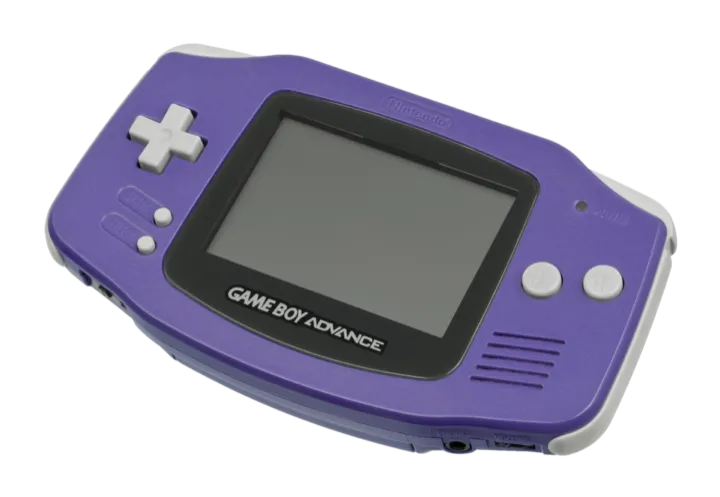
 Pokémon Ruby and Sapphire
ポケットモンスター ルビー・サファイア
The Pokémon series' third generation introduced 135 new creatures and revolutionary double-battle mechanics. The Hoenn region setting, inspired by Kyushu's topography, featured environmental storytelling emphasizing water and land coexistence.
What is it?
Pokémon Ruby and Sapphire established the third-generation Pokémon experience within the Hoenn region, featuring land-and-sea environments paralleling Japan's Kyushu geography. Version-exclusive legendary Pokémon—Groudon (Ruby) and Kyogre (Sapphire)—anchored narrative progression toward championship achievement. Players collect eight Gym Badges defeating region leaders before challenging the Pokémon League Champion. Parallel antagonist organization encounters integrate narrative stakes, providing context for gym progression and legendary creature involvement. The generation introduced automatic save functionality, eliminating manual save requirements.
Double Battles represented mechanical revolution: traditional one-versus-one encounters now included simultaneous two-versus-two configurations. Strategic depth multiplied through ability interactions, move targeting options, and multiplicative team synergy considerations. Pokémon Contests introduced non-combat evaluation frameworks—beauty, coolness, cuteness, toughness, and intelligence categories assessed through appeal mechanics rather than attack efficiency.
How it plays
Hoenn's water-dominant geography created exploration dynamics emphasizing water-type Pokémon and underwater navigation. Surfing mechanics enabled water-surface traversal accessing islands and underwater caverns unavailable through land-based movement. Environmental interaction increased complexity: weather systems modifying move effectiveness, water level variations exposing hidden pathways, and tidal mechanics creating time-dependent area accessibility. New held items provided persistent stat modifications or move-triggered effects, enabling team synergy optimization.
Double Battle mechanics introduced positioning strategy: front-row Pokémon endured incoming attacks while back-row creatures provided support effects or positioning-advantaged attacks. Type coverage optimization required multi-team consideration accounting for partner synergy rather than individual creature efficiency. Pokémon Contest participation offered alternative progression paths: competitive trainers collected ribbons rather than badges, enabling title-acquisition satisfaction independent from battle progression.
Sources
- Best-seller list (English Wikipedia)
- Pokémon Ruby and Sapphire (English Wikipedia)
- ポケットモンスター ルビー・サファイア (Japanese Wikipedia)
How it is ranked: Worldwide sales (from the English Wikipedia list)
 楽天
 楽天
 楽天