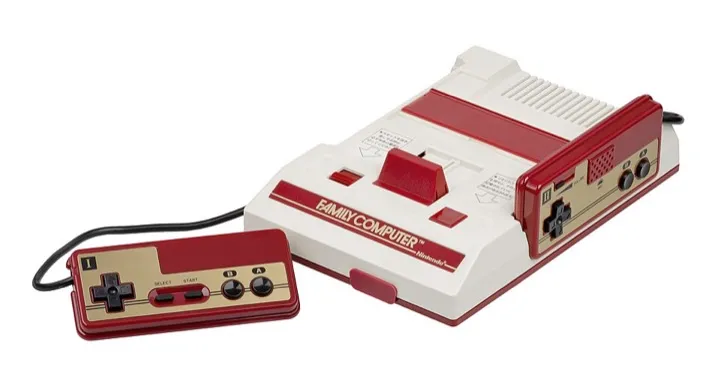
Nintendo Entertainment System (Famicom)
The Nintendo Entertainment System, known as the Famicom (Family Computer) in Japan, launched in 1983 as a revolutionary home console. With a distinctive red and white design, the system combined powerful arcade-level graphics with affordable pricing, bringing quality gaming into living rooms worldwide. The Famicom's simple controller design—featuring a directional pad and two action buttons—established the template used by subsequent gaming devices for decades.
RANKINGTop 10 best-selling games
How it is ranked: Worldwide sales (from the English Wikipedia list)
 楽天
 楽天
 楽天
 楽天
 楽天
 楽天
 楽天
 楽天

What Is It?
The Nintendo Entertainment System, known as the Famicom (Family Computer) in Japan, launched in 1983 as a revolutionary home console. With a distinctive red and white design, the system combined powerful arcade-level graphics with affordable pricing, bringing quality gaming into living rooms worldwide. The Famicom's simple controller design—featuring a directional pad and two action buttons—established the template used by subsequent gaming devices for decades.
How It Came to Be
Nintendo invested profits from its handheld Game & Watch success into developing the Famicom. The goal was ambitious: deliver arcade-quality experiences at home while remaining affordable enough for families to purchase without hesitation. Developer Masayuki Uemura led a team that created custom chips optimized for gaming rather than general computing, achieving remarkable performance from seemingly limited specifications.
Why It Succeeded
The Famicom succeeded through strategic combination of excellent hardware design, aggressive pricing, and strong software support. Nintendo actively recruited third-party developers through licensing programs, ensuring constant stream of diverse titles. The system's accessible controls meant both experienced arcade players and families without gaming experience could enjoy titles together. Cultural dominance came from embracing Mario as the system's mascot.
Notable Details
The console featured 1.79 MHz processor, 2 kilobytes of RAM, and 16 kilobytes of VRAM. The audio hardware included multiple synthesizer channels and PCM capabilities unprecedented in home systems. Over its lifespan, the Famicom sold 19.35 million units in Japan alone, establishing Nintendo as the dominant home console manufacturer. The system remained in production for two decades with extensive software support across its lifecycle. Its influence extended beyond gaming—the Famicom practically created the modern video game industry's structure.
Specs
| Processor | Ricoh RP2A03 (MOS 6502-based, 1.79 MHz) |
|---|---|
| Release Date | July 15, 1983 |
| Launch Price | ¥14,800 (Japan) |
| Units Sold | 19.35 million units (Japan) |
Sources
- English and Japanese Wikipedia articles on the Nintendo Entertainment System (Famicom)