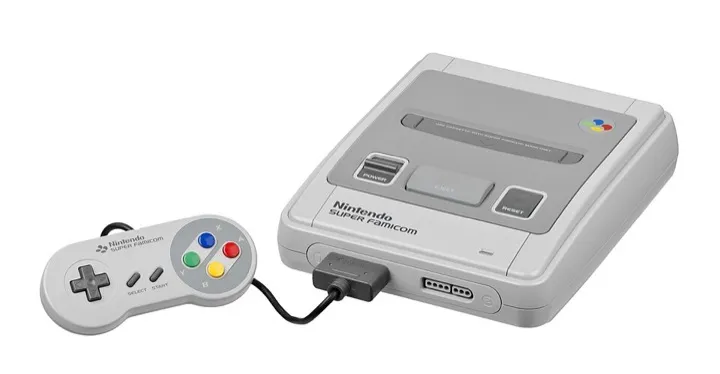
Super Nintendo Entertainment System (Super Famicom)
The Super Famicom, known as Super Nintendo Entertainment System globally, launched in 1990 as the 16-bit successor to the Famicom. The boxy design and purple coloring distinguished it visually from competitors, while the advanced hardware delivered graphical fidelity and processing power that defined a generation.
RANKINGTop 10 best-selling games
How it is ranked: Worldwide sales (from the English Wikipedia list)
 楽天
 楽天
 楽天
 楽天
 楽天
 楽天
 楽天
 楽天

What Is It?
The Super Famicom, known as Super Nintendo Entertainment System (SNES) globally, launched in 1990 as the 16-bit successor to the Famicom. The boxy design and distinctive purple coloring distinguished it visually from competitors, while the advanced hardware delivered graphical fidelity and processing power that defined an entire generation of gaming. The controller featured an extended button layout with additional shoulder buttons, establishing a design language that influenced gaming hardware for decades.
How It Came to Be
Nintendo approached 16-bit development by emphasizing software quality over raw specifications. The SNES featured a 16-bit processor, substantial RAM, and advanced graphics capabilities optimized specifically for sprite-based games rather than pursuing 3D polygonal graphics like some competitors. Rather than simply matching other manufacturers' specifications, Nintendo refined 2D technology to artistic perfection, resulting in visually superior experiences for many applications despite having less raw processing power than alternative systems.
Why It Succeeded
The SNES succeeded through remarkable software library quality and creative diversity. Nintendo created internal development excellence while simultaneously supporting third-party creativity through generous licensing programs. Major publishers like Capcom, Konami, and Square produced their most celebrated masterpiece games exclusively for SNES. The system sold consistently throughout its lengthy lifecycle despite competitors' release of more powerful 32-bit systems, proving that players valued game quality and library depth over mere technical specifications.
Notable Details
The 16-bit architecture supported approximately 256 colors on screen simultaneously, chosen from a palette of 32,768 possible colors. The Super FX graphics chip enabled real-time polygonal rendering, influencing the trajectory of 3D gaming's future development. Approximately 49 million units sold worldwide across the system's production lifespan, with the strongest library of any home console up to that point in gaming history. An extensive software library spanning hundreds of titles were released, many of which are still considered among gaming's greatest achievements. The SNES established technological and design conventions that influenced gaming hardware and software development for decades to follow.
Specs
| Processor | Ricoh 5A22 (16-bit, 3.58 MHz) |
|---|---|
| Release Date | November 21, 1990 |
| Launch Price | ¥25,000 (Japan) |
| Units Sold | 49.1 million units |
Sources
- English and Japanese Wikipedia articles on the Super Nintendo Entertainment System (Super Famicom)