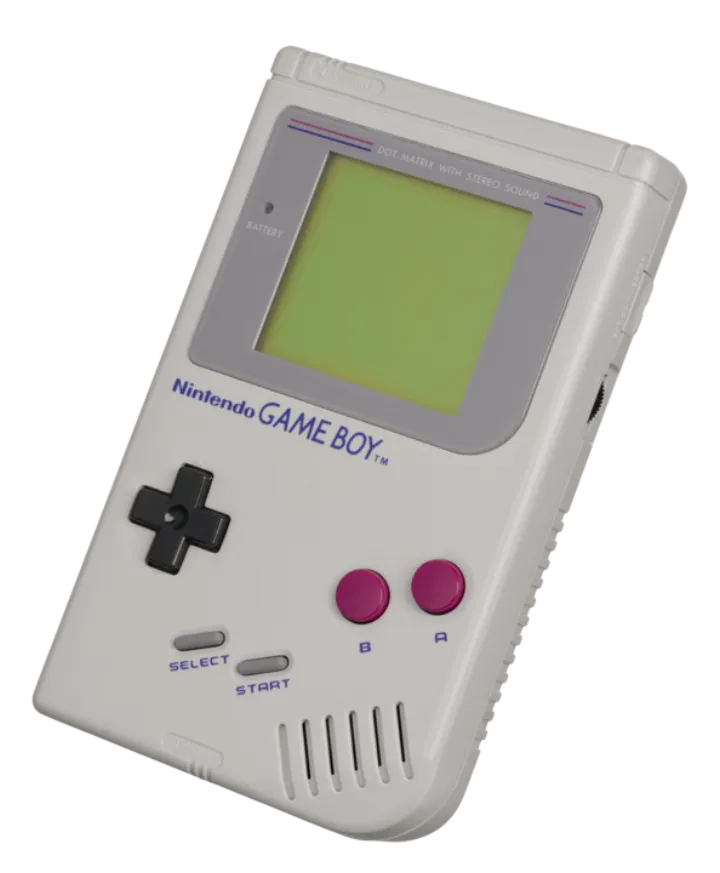
Game Boy
The Game Boy, released in 1989, succeeded through opposite approach from competitors. While others pursued cutting-edge graphics, Nintendo prioritized battery life and durability. The monochrome screen and simple design delivered genuine gaming experiences without demanding constant charging.
RANKINGTop 10 best-selling games
How it is ranked: Worldwide sales (from the English Wikipedia list)
 楽天
 楽天
 楽天
 楽天
 楽天
 楽天
 楽天

Unassuming but Powerful
The Game Boy, released in 1989, succeeded through an opposite approach from competitors. While others pursued cutting-edge graphics and advanced processing power, Nintendo prioritized battery life and durability. The monochrome screen and simple design delivered genuine gaming experiences without demanding constant charging or expensive accessories. This strategic decision proved prescient, as players wanted portable gaming that could survive pocket carry and years of childhood adventure.
Revived by Pokémon
The Game Boy's commercial fortunes transformed dramatically with Pokémon's launch in 1996. The creature-collecting phenomenon created unprecedented demand for the platform. Players sought Game Boy systems not just for Tetris but for the social phenomenon of Pokémon trading and battling, making the handheld absolutely indispensable. The phenomenon transcended gaming to become a mainstream cultural event with trading cards, television shows, and merchandise. Parents who had never heard of video games purchased Game Boy systems for their children, expanding the market far beyond traditional gaming demographics.
Variant Models
Nintendo released multiple Game Boy variations extending the system's lifespan and appeal. The Game Boy Pocket, released in 1996, offered reduced size and weight while maintaining compatibility with existing software. Game Boy Color, arriving in 1998, brought 56-color display capabilities while maintaining full compatibility with the existing library of black-and-white games. The Super Game Boy, a cartridge adapter for the SNES, proved that handheld games could be enjoyed on television screens. These iterations demonstrated Nintendo's commitment to advancing the platform while respecting and protecting the existing software investment of millions of players worldwide.
Notable Details
The original Game Boy featured a 4.7-inch monochrome LCD displaying 160x144 resolution graphics. Battery consumption was remarkably efficient—30+ hours of gameplay on four batteries represented unprecedented portability. Over 19 million units sold worldwide across various iterations, with the Game Boy line selling more units than any competing handheld system. The system's expandable cartridge library was extensive, with thousands of titles released across its lifespan. Nintendo's dominance in handheld gaming lasted over two decades, establishing conventions and standards that persisted through multiple generations of portable gaming devices and influencing the entire industry's approach to handheld entertainment.
Specs
| Processor | Sharp LR35902 (4.19 MHz) |
|---|---|
| Release Date | April 21, 1989 |
| Launch Price | ¥12,500 (Japan) |
| Units Sold | 47.66 million units (worldwide, as of end of March 1996) |
Sources
- English and Japanese Wikipedia articles on the Game Boy