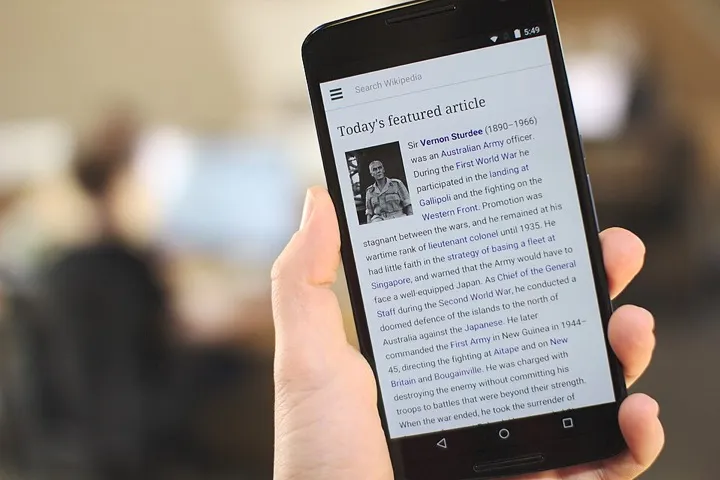
Smartphone
Smartphone gaming leverages touchscreen interfaces for intuitive interaction. Distribution occurs through App Store and Google Play, with free-to-play models dominating the landscape.

RANKINGTop 10 best-selling games
How it is ranked: Player count (from the English Wikipedia list; total players, excluding games counted only by daily/monthly active users)
Call of Duty: MobileMini WorldDragon Ball Z: Dokkan BattleSonic DashHelix JumpGardenscapes: New AcresHomescapesSuper Mario RunTownshipKnives OutOrigins of mobile gaming
July 2008 marked a turning point: Apple released new iPhone hardware and simultaneously launched a digital content distribution platform. The following year, another major corporation released its own Android distribution platform. These storefronts catalyzed explosive market growth. Early titles centered on simple games from small developers. Gradually, major publishers joined, bringing full-scale gaming experiences to mobile devices.
Hardware improvements enabled sophisticated graphics and gameplay engines comparable to dedicated consoles. Diverse genres flourished: puzzles, action, simulation, role-playing games, and strategy experiences. Creative developers innovated native mobile designs rather than merely porting existing concepts. The platform became the world's largest gaming market by combined revenue and player count.
Genre diversity and monetization models
Smartphone gaming encompasses puzzle challenges, role-playing sagas, shooting action, strategic simulations, and hybrid experiences blending multiple mechanics. Touchscreen interaction catalyzed novel designs—direct swiping controls, gesture-based input, multi-touch coordination creating interaction paradigms impossible on traditional controllers. Game ecosystems evolved from simple single-player experiences into complex interconnected multiplayer networks. Location-based gaming brought virtual entertainment into physical spaces, enabling real-world exploration with digital rewards.
Free-to-play mechanics combined with item monetization established the dominant commercial model. Successful titles balance engagement depth with fair progression systems, offering cosmetics, seasonal battle passes, power-ups, and convenience items. Monetization design determines commercial success more significantly than game quality alone. Regional markets show distinct spending tolerance, requiring localized approaches and culturally-appropriate pricing strategies.
Global reach and esports emergence
Smartphone platforms transcend geography effortlessly. Breakout games accumulate millions of players worldwide within weeks. Asia-Pacific regions show the highest adoption, with Chinese and Japanese developers claiming multiple global successes. Titles consistently reach 100+ million players.
Professional competition grew rapidly. Esports tournaments for mobile games now offer million-dollar prize pools. Shooter and battle royale titles established mature competitive scenes. Professional gaming transformed from novelty to recognized career path. Youth increasingly aspire to esports professions, validating mobile gaming's cultural significance.
Specs
| Platform | iOS, Android |
|---|---|
| Distribution | App Store, Google Play |
| Monetization | Free-to-play, premium items, full purchase |
| Engine | Unity, others |
Sources
- English and Japanese Wikipedia articles on the Smartphone