 Pokémon Diamond and Pearl
ポケットモンスター ダイヤモンド・パール
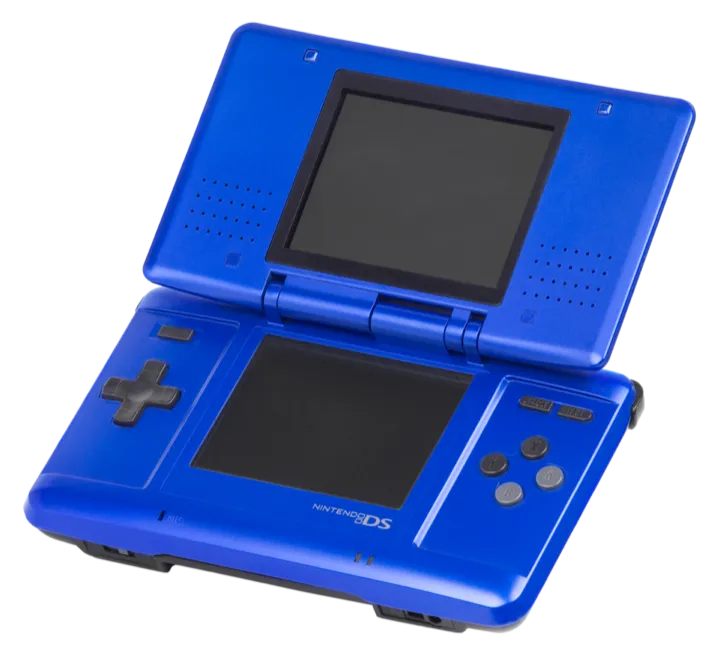
The fourth-generation Pokémon titles introduced 107 new creatures and online battling capabilities. The dual-screen design leveraged Pokédex functionality and inventory management interfaces.
What is it?
Pokémon Diamond and Pearl established the fourth-generation experience within the Sinnoh region, featuring mountainous terrain and water-based environments. Version-exclusive legendary Pokémon—Dialga (Diamond) and Palkia (Pearl)—anchored narrative progression toward championship achievement. Players collect eight Gym Badges defeating region leaders while antagonistic Team Galactic organization pursues crystalline artifact acquisition. The introduction of 107 new Pokémon expanded creature roster enabling diverse team construction and strategic depth. Wi-Fi connectivity enabled online battling and trading, introducing competitive infrastructure transcending local-only multiplayer.
How it plays
Sinnoh region traversal emphasized mountain exploration and water-based navigation through expanded environmental variety. The dual-screen layout enabled Pokédex reference display: players consulted creature statistics and move availability while maintaining gameplay execution. Online connectivity enabled global player interaction: trading Pokémon across continental boundaries established unprecedented social gaming infrastructure. Wi-Fi battle mechanics enabled competitive encounters against distant opponents establishing persistent ranking systems.
Why it sold / trivia
Pokémon Diamond and Pearl's September 2006 release maintained franchise dominance with sales reaching 17.67 million copies combining both versions. The introduction of online connectivity—enabling global competitive communities—fundamentally expanded gameplay scope beyond local interaction. Wi-Fi infrastructure investment by players established persistent competitive systems influencing future Pokémon competitive paradigms. Critical reception emphasized mechanical sophistication: physical-special move segregation introduced strategic depth transcending previous-generation team-building simplicity.
Sources
- Best-seller list (English Wikipedia)
- Pokémon Diamond and Pearl (English Wikipedia)
- ポケットモンスター ダイヤモンド・パール (Japanese Wikipedia)
How it is ranked: Worldwide sales (from the English Wikipedia list)
 楽天
 楽天
 楽天