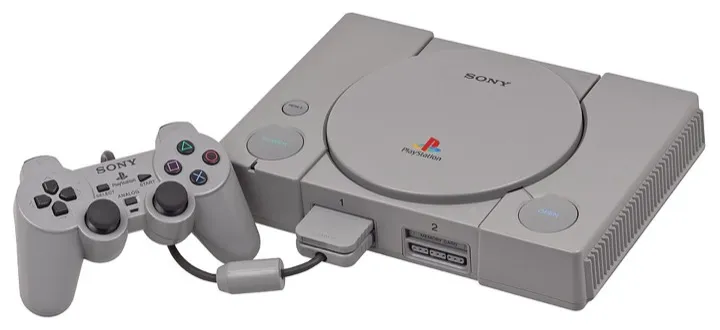
 Final Fantasy VII
ファイナルファンタジーVII
An epic RPG that transformed how the world perceived Japanese games. Final Fantasy VII combined cinematic storytelling, intricate character development, and jaw-dropping production values to create an unforgettable experience that extended well beyond gaming's traditional audience.
What is it?
Final Fantasy VII stands as PlayStation's breakthrough RPG. Protagonist Cloud Strife, a former elite soldier, joins a resistance movement opposing the megacorporation Shinra. The narrative integrates themes of environmentalism, personal identity, and spiritual redemption spanning a world-spanning adventure. Characters rendered as 3D polygons moving across hand-painted scenery achieved unprecedented visual elegance. The Materia system enabled profound player agency: equipping magical gems customized character abilities, spells, and special techniques—each party member could be developed toward radically different combat roles.
The project began as a 2D Super Famicom game, but transitioning to PlayStation unlocked development possibilities. CD-ROM storage capacity enabled cinematic pre-rendered sequences and full orchestral soundtrack recording, elevating production values far beyond typical genre standards.
How it plays
Exploration alternates between expansive world maps and dungeon locations where random encounters trigger turn-based battles. The Active Time Battle system staggered character actions based on individual speed stats, adding tactical layering to combat. Cloud's unique Limit Break ability—powerful techniques triggered when a damage gauge fills—became iconic within the genre. Party management allows assembling up to nine characters with wildly different abilities, encouraging experimentation. Equipping different Materia combinations lets players build specialized roles: a magic-heavy healer, a physical damage dealer, or hybrid approaches.
The narrative balances character-driven moments with world-threatening stakes. Mysterious woman Aerith's secrets, the enigmatic Sephiroth's motivations, and Cloud's fractured memories drive players forward through dozens of hours seeking answers.
Why it sold
Final Fantasy VII achieved legendary status by merging three elements: Square's game development expertise, PlayStation's technical power, and an $80 million budget that was astronomical for 1997. The team allocated unprecedented resources—100 to 150 staff members—to realize their vision. Cinematic storytelling, psychological depth, and sweeping orchestral composition demonstrated that games could match cinema's emotional impact.
Character designer Tetsuya Nomura initially envisioned a different protagonist look, but collaborators pushed for a more heroic design, resulting in Cloud's now-iconic spiky blond hair. This design decision created an instantly recognizable character that became gaming's global ambassador for Japanese RPGs and helped drive PlayStation's cultural dominance.
Sources
- Best-seller list (English Wikipedia)
- Final Fantasy VII (English Wikipedia)
- ファイナルファンタジーVII (Japanese Wikipedia)
How it is ranked: Worldwide sales (from the English Wikipedia list)
 楽天
 楽天
 楽天