
The Legend of Zelda: Breath of the Wild
ゼルダの伝説 ブレス オブ ザ ワイルド
A revolutionary open-world adventure that frees players to explore Hyrule in any sequence, completing quests and puzzles without rigid progression boundaries.
What is it?
Breath of the Wild abandons Zelda's traditional linear progression. The kingdom lies open before Link, explorable in any direction from the starting tutorial zone. Four divine beasts—titanic machines—serve as primary objectives, but players confront them in self-determined order. Alongside these main quests sprawl hundreds of side quests: deliver apples to specific NPCs, find lost items, solve environmental puzzles. Shrines—miniature dungeon puzzles—number 120, each rewarding progression items.
Environmental interaction defines the adventure. Climb any mountain (stamina limits your ascent, but no area becomes inaccessible through level gates). Light grass fires to create thermal updrafts enabling flight. Freeze water surfaces to cross bottomless chasms. Use bombs' physics to solve puzzles in unexpected ways—the game embraces non-linear problem-solving.
How it plays
Combat employs dynamically breakable weapons found throughout the world. Enemies carry superior gear; defeating them nets upgrades. Weapons degrade through use, forcing constant equipment rotation and scavenging. This mechanic—often controversial—encourages exploration (discovering better gear) and planning (managing weapon durability).
Exploration rewards observation. Mountains conceal treasures. Puzzles exist in unexpected places: a torch reflects light into unreachable areas; bomb flowers solve collapses; climbing reveals hidden caves. Physics-based puzzle-solving means the 'wrong' approach sometimes succeeds if it's physically viable. This player agency and environmental readability create genuine discovery.
Why it sold
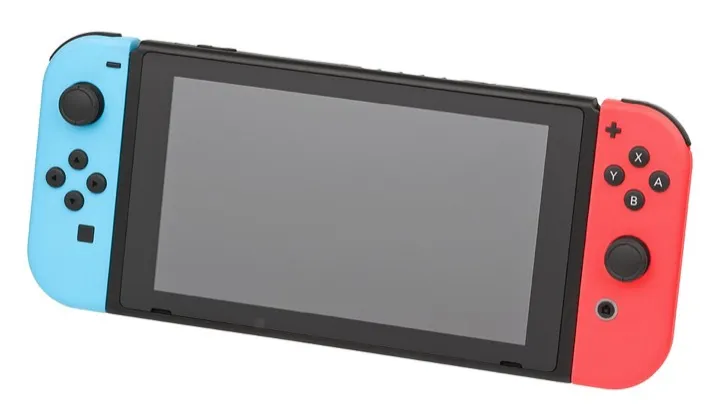
Released at Switch launch alongside the system, Breath of the Wild became the must-own title. Reviewers universally praised its design philosophy, innovation, and scope. Nintendo's marketing emphasized freedom; trailers showed players approaching objectives via unexpected routes. This message resonated: gamers craved agency and environmental exploration.
The game achieved 34.06 million sales, making it Switch's third best-seller. Critical acclaim earned countless 'Game of the Year' awards. Industry-wide, open-world game design shifted, with competitors analyzing Breath of the Wild's environmental design and player freedom principles. Its influence on subsequent games cannot be overstated.
Sources
- Best-seller list (English Wikipedia)
- The Legend of Zelda: Breath of the Wild (English Wikipedia)
- ゼルダの伝説 ブレス オブ ザ ワイルド (Japanese Wikipedia)
How it is ranked: Worldwide sales (from the English Wikipedia list)
 楽天
 楽天
 楽天
 楽天
 Pokémon Scarlet and Violet