
Super Smash Bros. Brawl
大乱闘スマッシュブラザーズX
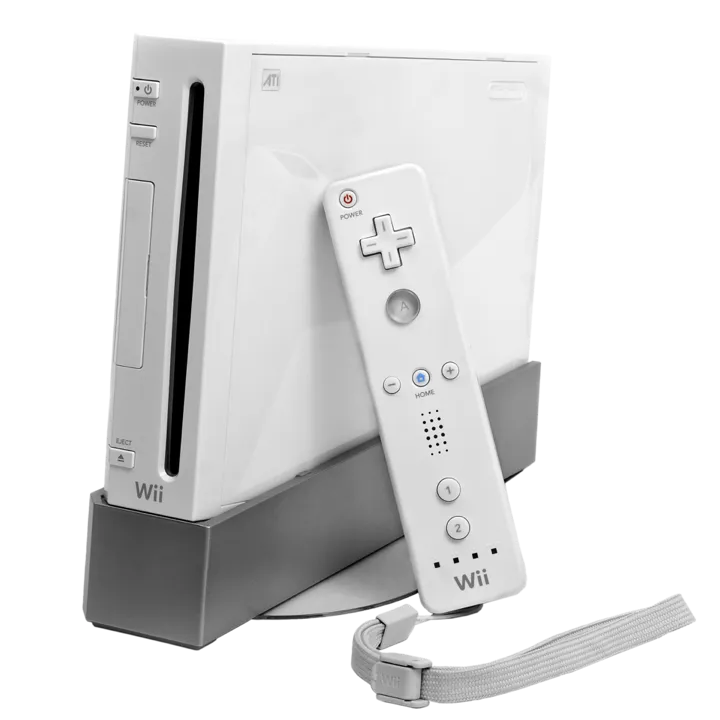
A crossover fighting game featuring 35 Nintendo characters. Wii Brawl introduced the Subspace Emissary campaign and motion-controlled smash attacks.
What is it?
Super Smash Bros. Brawl brings together 35 iconic Nintendo characters—Mario, Donkey Kong, Pikachu, Link, Kirby, and many others—into a fighting game where up to four players battle simultaneously. Unlike traditional 1v1 fighters, Brawl embraces chaos: matches become free-for-alls where any player can emerge victorious. Characters boast unique movesets and playstyles; learning matchups and exploiting weaknesses defines competitive play. Multiple stages feature environmental hazards—lava erupts, trains pass through, buildings collapse—introducing unpredictability.
Brawl debuted the Subspace Emissary, a story-driven campaign featuring cinematic sequences and platforming sections. You progress as multiple characters through an over-the-top narrative, unlocking fighters through story completion, making it the franchise's most substantive single-player offering.
How it plays
The 'Brawl' mode accommodates four characters simultaneously on a stage, with the goal of launching opponents beyond the boundary to score 'KOs.' Unlike traditional fighting game health bars, Brawl uses a damage meter; higher damage makes knockback more severe, creating tension as percentages climb. Each character possesses specialized attacks: neutral, tilts, smashes, aerials, and special moves triggered through button combinations or motion controls. Smash attacks swing the Wii Remote upward, a satisfying motion that feels right for a power move.
Stage design matters enormously. Some stages remain static platforms; others shift, collapse, or introduce hazards. Understanding stage layouts and exploiting them strategically separates casual from competitive play. Items drop randomly during matches—healing items, weapons, power-ups—adding momentum swings. Multiple game modes exist: classic tournaments, team battles, timed survival, stock-based elimination, and online ranked battles with rating systems.
Why it sold
Brawl released in January 2008, capturing the Wii's momentum. Nintendo's characters cross-promoted each other; nostalgia for classics combined with excitement over new inclusions. The motion-control integration, while optional, added accessibility. Competitive players embraced the technical depth despite Nintendo's casual positioning, establishing Brawl as a fighting game staple.
The Subspace Emissary campaign, though linear and story-light by modern standards, offered something no other Smash game delivered. It justified single-player engagement beyond grinding for unlocks. The game's balance received ongoing attention post-launch through patch releases, demonstrating Nintendo's commitment to competitive integrity alongside casual fun.
Sources
- Best-seller list (English Wikipedia)
- Super Smash Bros. Brawl (English Wikipedia)
- 大乱闘スマッシュブラザーズX (Japanese Wikipedia)
How it is ranked: Worldwide sales (from the English Wikipedia list)
 楽天
 楽天
 Wii Sports Resort
 楽天
 楽天