 Pokémon Stadium
Pokémon Stadium
This Pokémon battle simulator transfers creatures from Game Boy cartridges to three-dimensional graphics, enabling visual battles in grand arenas. Players compete using their own trained creatures through wireless connectivity with Game Boy versions.
What is it?
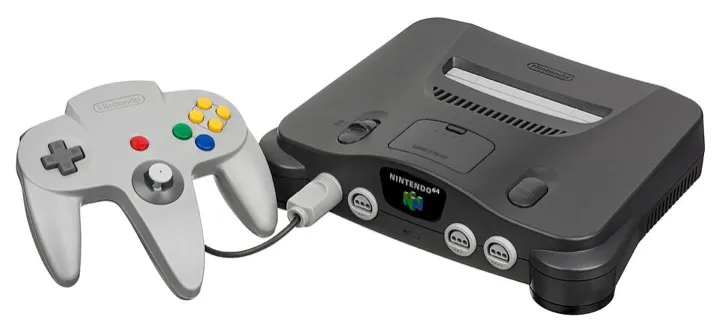
Pokémon Stadium connects Nintendo 64 hardware to Game Boy cartridges containing Pokémon Red, Blue, or Yellow versions, transferring trained creature rosters into three-dimensional battle environments. The game provides unprecedented visual representation of Pokémon creatures during combat, with detailed animations representing creature abilities and attack sequences. Multiple competitive leagues present tournament-style challenges where players progress through increasingly difficult opponent teams, ultimately confronting league champions. Defeat initiates progression reset, though experience accumulates enabling strategic team diversification.
The connection mechanism—inserting Game Boy cartridges into the Nintendo 64 Transfer Pak accessory—represented innovative hardware integration enabling seamless creature portfolio translation between systems. Players maintained original Game Boy trainer level relationships and creature statistics while gaining enhanced visual representation. Stadium's battle mechanics align with established Game Boy implementations: type-based advantages, status condition effects, and move selection determining battle outcomes. Team composition and creature movesets became critical success factors rather than mechanical execution reflexes, emphasizing strategic preparation over moment-to-moment execution.
How it plays
Battle progression follows traditional Pokémon mechanics: players select active creatures, choose attacks from individual creature movesets, and execute turns simultaneously. Type advantages modify damage calculation—water attacks damage fire creatures more effectively while fire resists water damage reduction. Status conditions like paralysis, sleep, and poisoning create persistent disadvantages affecting subsequent turns. Held items modify attack effectiveness or provide passive bonuses, adding strategic depth to team construction.
The visual presentation emphasized cinematic creature representation: elaborate attack animations displaying move effects, detailed environmental reactivity reflecting combat intensity, and dramatic camera perspectives enhancing dramatic confrontations. The game supported multiplayer competition matching transfer-pak-enabled creature rosters across players' Game Boy versions, creating competitive parity reflecting genuine training investment rather than arbitrary game balance parameters.
Why it sold / trivia
Pokémon Stadium capitalized on existing franchise popularity while providing visual gratification transcending Game Boy technical limitations. The transfer mechanism created compelling hardware integration—ownership of both Game Boy and Nintendo 64 systems enabled exclusive competitive experiences unavailable on single platforms. Sales reached 5.46 million copies, leveraging Pokémon's cultural phenomenon status during the franchise's peak popularity period.
The game's successor, Pokémon Stadium 2, refined mechanics and expanded creature roster representation. Both releases established three-dimensional Pokémon visualization standards, directly influencing subsequent franchise visual direction. The transfer-pak connectivity concept persisted across multiple franchise iterations, with later Pokémon console games implementing equivalent wireless or direct transfer mechanisms. Stadium's existence demonstrated console-handheld integration possibilities influencing future Nintendo hardware strategies, particularly the Nintendo DS and subsequent hybrid systems.
Sources
How it is ranked: Worldwide sales (from the English Wikipedia list)
 楽天
 楽天
 楽天
 楽天
 楽天