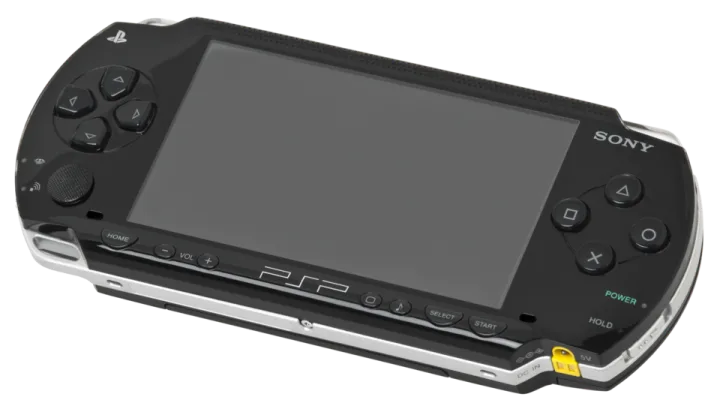
 Monster Hunter Portable 3rd
モンスターハンター ポータブル 3rd
Capcom released Monster Hunter Portable 3rd in 2010 as the pinnacle of the Monster Hunter phenomenon on PSP. This action role-playing game tasks you with hunting ferocious monsters to harvest their materials and craft ever-stronger armor and weapons. The addition of two Felyne companions, improved combat mechanics, and an expanded roster of monsters made Portable 3rd the most content-rich entry in the portable series.
What is it?
Monster Hunter Portable 3rd casts you as a hunter dispatched to Yukumo Village, a mountain community plagued by dangerous beasts. Your job is to undertake quests that range from slaying specific monsters to gathering rare materials. The game is built around a feedback loop: hunt monsters, harvest their parts, craft or upgrade armor and weapons, then tackle harder hunts with your improved gear. Each monster has distinct attack patterns, elemental affinities, and weak points; learning to read and exploit these differences is the core challenge.
The game introduces Felyne companion mechanics, which let you bring up to two cat-like allies alongside you on hunts. These allies provide support in combat, distracting enemies and dealing damage while you focus on precise strikes. Weapon variety remains a series strength: bowguns, great swords, hammers, lances, and other arms each require completely different approaches. The game accommodates playstyles from aggressive hit-and-run tactics to slow, methodical positioning.
How it plays
Hunts typically last 15–50 minutes depending on the monster, difficulty, and your skill level. You enter a large arena filled with climbing surfaces, water sources, and other environmental elements that you can use tactically. Monsters roam freely within this space; they will eat, sleep, and migrate between zones. Learning where each monster sleeps or retreats to is crucial for controlling the pace of battle. Carving defeated monsters yields materials: scales for armor, gems for special effects, and rare drops that unlock new gear tiers.
Solo hunts are challenging but manageable with proper preparation. Local multiplayer via ad hoc wireless lets up to four players hunt together, multiplying both the monster's difficulty and the joy of coordinated teamwork. The game respects player investment by providing hundreds of quests, multiple difficulty tiers, and endless room for optimization and improvement. Veterans can spend hundreds of hours perfecting their techniques, while newcomers find accessible entry points through training quests and reasonable difficulty progression.
Why it sold / trivia
Monster Hunter Portable 3rd sold nearly five million copies in Japan alone, becoming a cultural phenomenon among young players and working professionals. The game released on December 1, 2010, and its first week saw 2.58 million copies sold—a staggering figure for a single-player action game. This success kept the PSP relevant in Japan even as other platforms matured, with players gathering in public spaces to hunt together over wireless connections.
The game's depth and reward structure encouraged long-term engagement. Social factors also played a role: Monster Hunter became a conversation topic in schools and workplaces, with players comparing gear, discussing strategies, and planning hunts together. Capcom's decision to port the game to PlayStation 3 as an HD remaster in 2011 extended its reach further. The cultural impact of Monster Hunter Portable 3rd and its predecessors on the PSP platform cannot be overstated; the series fundamentally shaped how players in Japan viewed portable gaming.
Sources
How it is ranked: Worldwide sales (from the English Wikipedia list)
MOREPlayStation Portable: more best sellers
Top 10 ›Grand Theft Auto: Liberty City StoriesGran TurismoRatchet & Clank: Size MattersMonster Hunter Freedom UniteGod of War: Chains of Olympus