Nintendo 3DS
Release date: February 26, 2011 (Japan)
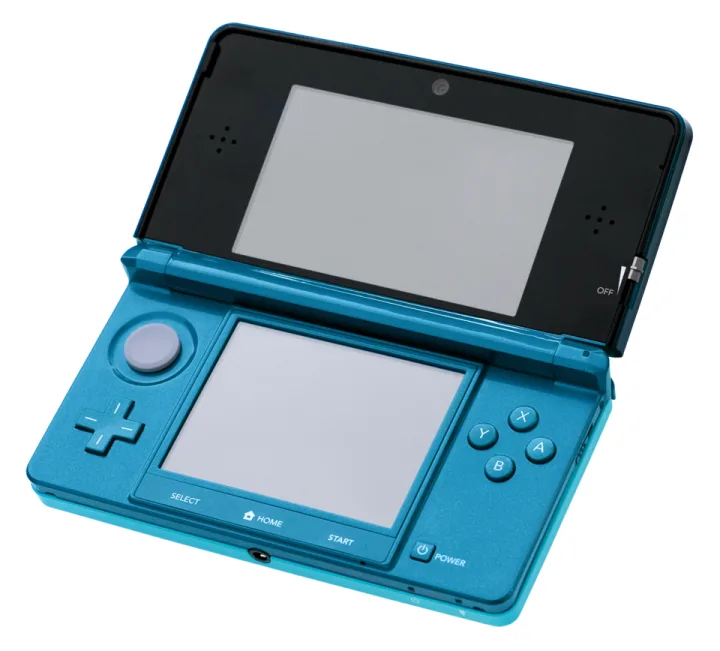
Released by Nintendo in 2011 as the successor to the Nintendo DS, the 3DS brought a 3D screen that works without special glasses to a handheld. Its top display could render 3D effects using autostereoscopic technology, while the bottom touchscreen inherited functionality from the DS. The system shipped with numerous enhanced features including an analog stick, cameras, and motion sensors, maintaining backward compatibility with existing DS cartridges. With over 75 million units sold worldwide, it became one of the most successful handheld systems in gaming history.
RANKINGTop 10 best-selling games
How it is ranked: Worldwide sales (from the English Wikipedia list)
Mario Kart 7Pokémon X and YPokémon Sun and MoonPokémon Omega Ruby and Alpha SapphireNew Super Mario Bros. 2Animal Crossing: New LeafSuper Mario 3D LandSuper Smash Bros. for Nintendo 3DS and Wii UPokémon Ultra Sun and Ultra MoonYo-kai Watch 2What is it?
The 3DS is a clamshell handheld gaming system with two LCD screens. The upper screen displays full 3D imagery without requiring special glasses. Using lenticular lens technology, the display renders slightly different images to each eye depending on viewing angle, creating the illusion of depth. A slider on the left allows players to adjust the 3D intensity or disable it entirely for 2D play.
The system inherited the touchscreen lower display from the DS and added an analog control stick above the D-pad, enabling more precise camera and character movement in three-dimensional games. Built-in cameras on the front, back, and inside the hinge enabled augmented reality features, while motion and gyro sensors supported tilt-based gameplay. Early DS games played normally on 3DS hardware through cartridge backward compatibility, though without 3D enhancements. The battery-powered design allowed for portable gaming sessions, with various hardware revisions like the 3DS XL, 2DS, and New 3DS released throughout its lifecycle to serve different audiences and price points.
Why it was made
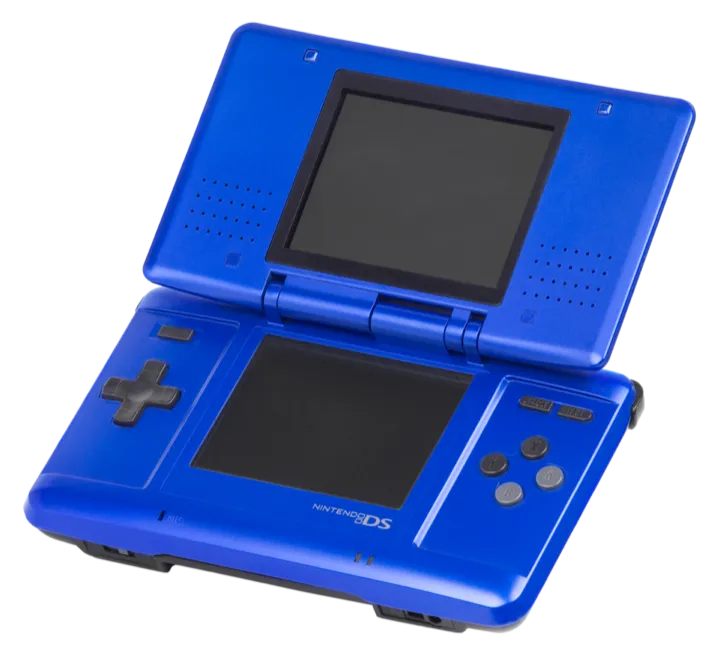
Following the tremendous success of the Nintendo DS, Nintendo sought to push handheld gaming technology forward. The convergence of 3D display technology becoming more practical and affordable, combined with the global enthusiasm for 3D cinema in the late 2000s, suggested that autostereoscopic 3D screens could enhance handheld gaming. After seven years of DS dominance, Nintendo needed a compelling reason for existing customers to upgrade.
The company worked to perfect glasses-free 3D display technology specifically for handheld gaming, addressing earlier failures like the Virtual Boy. Official announcement came in spring, with detailed revelation at E3. Initial pricing and manufacturing capacity concerns led to a costly launch, but Nintendo made the strategic decision to slash the price dramatically by ¥10,000 just six months later. This aggressive pricing move, combined with key software releases like Mario Kart 7 and Monster Hunter 3G, transformed the system from slow-moving hardware into a genuine phenomenon, particularly in Japan.
Why it was a hit
The 3DS succeeded because Nintendo backed the hardware with software that genuinely justified the new technology. Monster Hunter 3G and Mario Kart 7 launched at the critical November 2011 window, transforming the system's trajectory. Pokémon X and Y delivered the franchise's first true worldwide simultaneous launch, something that previous Pokémon handheld entries had never achieved, amplifying the 3DS's international reach. These marquee releases, combined with strong ongoing software support across all major genres, gave players constant reasons to pick up the system.
The hardware's versatility proved crucial. While the 3D feature attracted casual players and media attention, core gamers appreciated it as an optional enhancement rather than a mandatory gimmick. This balance allowed the 3DS to appeal to both longtime Nintendo audiences and younger players discovering handhelds. Multiple hardware variants including the more affordable 2DS (which removed 3D but kept the experience intact) and the more powerful New 3DS expanded market penetration. By 2015, the system had become entrenched in Japanese culture especially, with Monster Hunter community events and Pokémon Go anticipation keeping the audience engaged through the system's natural lifecycle end in 2017.
Good to know
The 3DS generation spanned nearly nine years from 2011 to 2020, an unusually long lifecycle that reflected the system's success and profitability. Multiple hardware revisions addressed design feedback—the 3DS XL improved screen size and comfort, the 2DS lowered the entry price point, and the New 3DS boosted processing power for enhanced visuals and faster loading. Some games, particularly Pokémon Sun and Moon, ran significantly better on the New 3DS hardware.
In March 2023, Nintendo's eShop for 3DS closed, ending digital game purchases and add-on content downloads. Games previously downloaded remain playable through local wireless, though online features tied to now-defunct services ceased functioning. Despite this service discontinuation, the system's physical library remains accessible and playable through local connectivity, ensuring backward compatibility and longevity. The 3DS's fifteen-year lifespan from initial release to service discontinuation ranks among the longest for any Nintendo handheld, testifying to the platform's remarkable commercial success and cultural impact in both Japan and globally.
Specs
| Processor | ARM11 MPCore (dual-core) |
|---|---|
| Release date | February 26, 2011 (Japan) |
| Launch price | ¥25,000 (Japan; reduced to ¥15,000 in August 2011) |
| Total sales | 75.87 million units |
Sources
- English and Japanese Wikipedia articles on the Nintendo 3DS