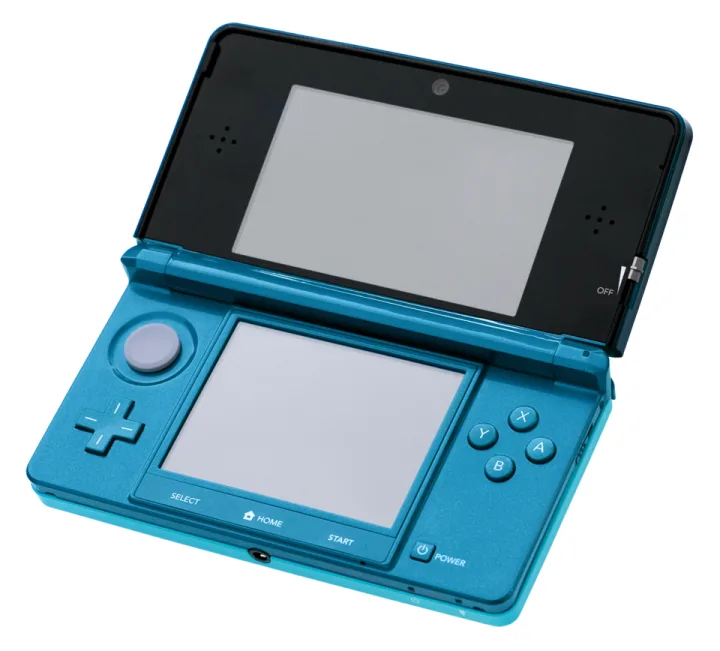
 Pokémon Sun and Moon
ポケットモンスター サン・ムーン
The Alola region brought tropical island exploration to the Pokémon franchise. Sun and Moon discarded the traditional gym system in favor of island challenges and Trial Captains, fundamentally reshaping how the series structured progression. With regional Pokémon variants and Z-Moves providing new combat options, this generation revitalized late-generation 3DS appeal.
What is it?
Set in the Alola region inspired by Hawaiian islands, Pokémon Sun and Moon abandon the established gym formula entirely. Instead, players complete island challenges—trials varying from catching specific Pokémon to defeating Totem Pokémon that summon ally creatures for support battles. This structural shift forces entirely new strategic approaches compared to previous generations.
Regional forms of existing Pokémon appear in Alola, with these familiar creatures sporting new types, abilities, and appearances adapted to the tropical climate. Z-Moves represent the generation-specific combat enhancement, allowing Pokémon to execute devastating attacks once per battle by channeling special Z-Crystals. These dramatic attack animations showcase the system's graphical capabilities during battles. The expanded Pokédex includes generation's new creatures alongside returning classics, balancing franchise legacy with fresh designs.
How it plays
The elimination of gyms initially concerned longtime players, but trials proved equally engaging. Each island captain specializes in a specific Pokémon type, creating themed challenges that remain memorable through environmental variety and narrative context. Totem Pokémon battles introduce ally mechanics where enemy creatures summon support partners, forcing players to manage dual threats.
Z-Moves add turn economy considerations—using a Z-Move forfeits the ability to attack normally, requiring careful judgment about battle timing. The move occurs once per battle, making strategic selection paramount. Alola Pokédex restrictions encourage familiarity with new regional variants while accommodating returning favorites, maintaining series continuity without overwhelming player choice.
Why it sold / trivia
Sun and Moon celebrated the Pokémon franchise's twentieth anniversary, amplifying pre-release marketing and consumer excitement. The elimination of the gym system sparked both enthusiasm and concern, but developer Game Freak's willingness to fundamentally restructure progression mechanics proved successful. The tropical island aesthetic offered visual variety distinct from previous generations, with Alola's diverse environments reducing location fatigue.
Regional variant Pokémon proved immediately popular, with designs balancing nostalgia against creative freshness. Z-Moves and their elaborate animation sequences created memorable combat moments. The subsequent enhanced versions Ultra Sun and Ultra Moon arrived merely a year later, an accelerated release schedule reflecting strong sales momentum. Combined franchise performance validated the generational approach shift, as 16.34 million copies demonstrated that franchise veterans remained engaged despite radical mechanical changes. The late-career 3DS success reassured players that the system remained relevant despite the Nintendo Switch's imminent launch.
Sources
- Best-seller list (English Wikipedia)
- Pokémon Sun and Moon (English Wikipedia)
- ポケットモンスター サン・ムーン (Japanese Wikipedia)
How it is ranked: Worldwide sales (from the English Wikipedia list)
MORENintendo 3DS: more best sellers
Top 10 ›Mario Kart 7Pokémon X and YPokémon Omega Ruby and Alpha SapphireNew Super Mario Bros. 2Animal Crossing: New Leaf