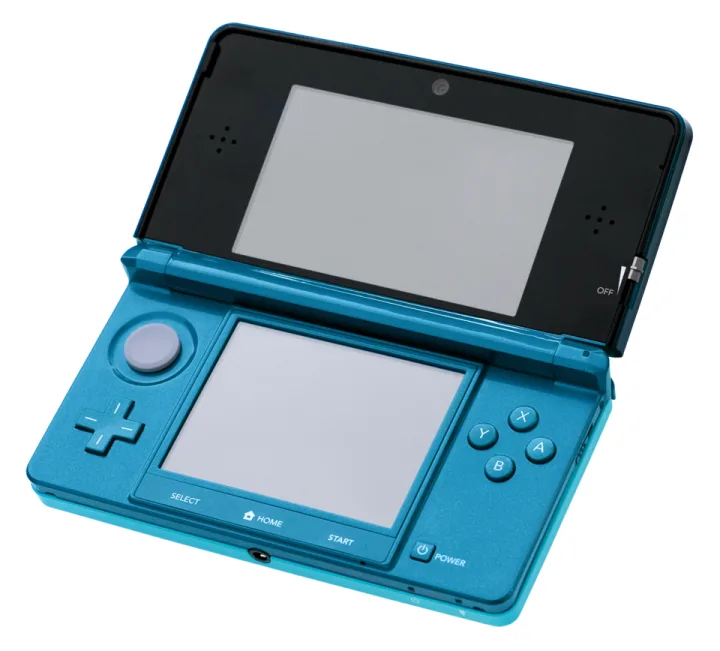
 Super Smash Bros. for Nintendo 3DS and Wii U
大乱闘スマッシュブラザーズ for 3DS/WiiU
This pair of games brought Nintendo's all-star fighting series to both handheld and home console simultaneously. The 3DS iteration adapted Smash Bros. mechanics for portable play while maintaining competitive depth, launching competitive scenes despite hardware limitations. Extensive post-launch DLC expanded the roster and added characters from third-party franchises.
What is it?
Super Smash Bros. adapts fighting game conventions around Nintendo character IP, with victory achieved by launching opponents off-screen rather than depleting health bars. The 3DS version reduces character movement speed and stage complexity compared to its Wii U counterpart, compensating for the handheld's technical limitations while preserving core mechanics. Stage hazards persist though some were simplified for portable performance.
Fifty-eight characters roster at launch ballooned through DLC additions including content from non-Nintendo franchises—Cloud Strife from Final Fantasy VII and Bayonetta represented unprecedented third-party inclusion. Customizable special moves and equipment systems allowed mechanical personalization. Online ranked and casual battles supported competitive play, with spectator functionality enabling tournament integration.
How it plays
The 3DS hardware's screen size constrains simultaneous player visibility, requiring camera zoom adjustments during intense action. This hardware limitation created a mechanically distinct experience from the Wii U version despite thematic similarity. Character balance remained consistent across platforms, ensuring universal competitive validity. Stage design simplified somewhat compared to home console entries, with fewer moving hazards and reduced graphical complexity.
Portable competitive play attracted audiences specifically interested in handheld fighting experiences. Smaller controls required input precision despite cramped conditions, with experienced players adapting through muscle memory and practice.
Why it sold / trivia
Super Smash Bros.' franchise recognition alone generated massive pre-release anticipation. The simultaneous dual-platform release strategy ensured 3DS owners received legitimate competitive titles rather than simplified ports, maintaining platform prestige. 9.65 million copies across both versions (with unclear individual platform breakdown) validated that handheld fighting games remained viable.
Post-launch DLC strategy proved crucial to longevity, with new characters released monthly extending interest across years. Cloud Strife's inclusion particularly shocked competitive communities accustomed to Nintendo-exclusive character rosters, signaling franchise evolution toward broader industry collaboration. Despite hardware compromises, the 3DS version maintained sufficient competitive integrity to support legitimate tournaments, proving handheld systems could host serious fighting game scenes with appropriate design consideration.
Sources
- Best-seller list (English Wikipedia)
- Super Smash Bros. for Nintendo 3DS and Wii U (English Wikipedia)
- 大乱闘スマッシュブラザーズ for Nintendo 3DS / Wii U (Japanese Wikipedia)
How it is ranked: Worldwide sales (from the English Wikipedia list)
MORENintendo 3DS: more best sellers
Top 10 ›Mario Kart 7Pokémon X and YPokémon Sun and MoonPokémon Omega Ruby and Alpha SapphireNew Super Mario Bros. 2Animal Crossing: New Leaf