 The Legend of Zelda: Breath of the Wild
ゼルダの伝説 ブレス オブ ザ ワイルド
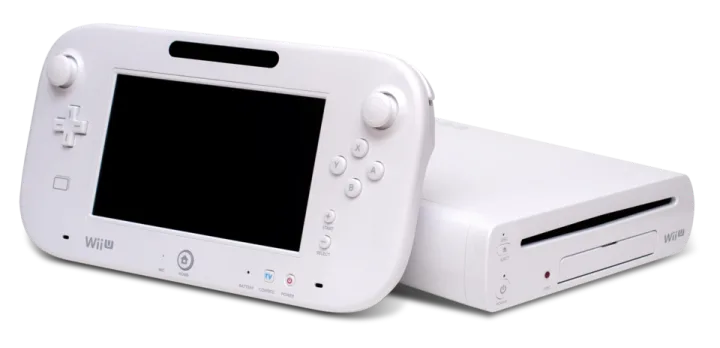
The Legend of Zelda: Breath of the Wild revolutionized open-world game design by emphasizing player freedom and experimentation. As the final major Wii U release, it showcased the console's potential while simultaneously launching the Nintendo Switch, becoming a landmark title that influenced the entire industry and won countless Game of the Year awards.
Open-World Freedom and Physics-Based Puzzles
Breath of the Wild discarded traditional Zelda conventions, replacing linear dungeon progression with complete freedom. Players could approach any objective in any order, visiting the final boss immediately after leaving the tutorial area if desired. This radical design philosophy empowered player experimentation and rewarded curiosity. The vast kingdom of Hyrule contained 120 shrines—mini-dungeons rewarding puzzle-solving with Spirit Orbs—scattered throughout, alongside numerous optional challenges and secrets. Rather than force players through predetermined paths, the game celebrated emergent solutions.
A sophisticated physics engine and chemistry system enabled creative problem-solving. Metal objects attracted lightning during storms—players could weaponize this by throwing them at enemies. Fire spread across dry grass, creating useful distraction zones. Ice blocks formed on water surfaces, allowing traversal over previously impassable areas. Explosive barrels launched environmental objects toward enemies. Rather than memorize specific solutions, players experimented with the rules and watched physics unfold. The "Sheikah Slate" replaced traditional inventory, granting abilities like remote bomb creation, cryonis for ice-platform generation, and stasis for temporal manipulation. These tools, combined with standard sword, shield and bow combat, offered tremendous flexibility. Weapon durability forced strategic thinking—no single perfect weapon existed. Cooking systems allowed preparing temporary stat boosts for specific encounters. The breathtaking world showcased stunning vistas from every hilltop, encouraging exploration. With approximately 60 main story hours plus 100+ additional content through shrines, side quests, and hidden treasures, Breath of the Wild delivered extraordinary value. Though it arrived on aging Wii U hardware alongside launch Switch versions, it represented the system's highest creative achievement and redefined how the industry approached open-world design. The game sold over 35 million copies across both Switch and later enhancements, proving that innovative design transcends hardware limitations.
Sources
- Best-seller list (English Wikipedia)
- The Legend of Zelda: Breath of the Wild (English Wikipedia)
- ゼルダの伝説 ブレス オブ ザ ワイルド (Japanese Wikipedia)
How it is ranked: Worldwide sales (from the English Wikipedia list)
MOREWii U: more best sellers
Top 10 ›Mario Kart 8Super Mario 3D WorldNew Super Mario Bros. USuper Smash Bros. for Wii UNintendo LandMario Party 10