 Luigi's Mansion
ルイージマンション
Luigi stars in his own adventure as a nervous ghostbuster exploring a haunted mansion. Armed with a modified vacuum device and a handheld computer, Luigi captures mischievous ghosts to rescue his brother Mario in this charming launch title.
What is it?
Luigi's Mansion casts Luigi as an unlikely hero called to rescue his brother Mario from a cursed mansion. Luigi is equipped with the Poltergust 3000 (a specialized vacuum for ghost capture) and the Game Boy Horror (a portable assistant device). Using these tools, he explores the mansion. Luigi explores room after room capturing ghosts. Each ghost has a heart visible after being stunned by Luigi's flashlight. By sucking them into the Poltergust, Luigi gradually depletes their hit points until they surrender.
The mansion is divided into four main areas, each culminating in a boss battle against a powerful ghost. As Luigi defeats regular ghosts, their portraits are created by Professor E. Gadd's Ghost Portrificationizer. Finding portrait ghosts—creatures with specific requirements to become capturable—adds puzzle-solving elements. The Game Boy Horror displays a map showing explored and unexplored rooms, identifies hidden ghosts via radar, and provides clues about how to capture portrait ghosts.
How it plays
Luigi's Mansion is fundamentally a puzzle game wrapped in adventure packaging. Rather than fighting enemies directly, players must identify how to stun and capture each ghost type. Regular ghosts require a flashlight stun followed by vacuum extraction. Baby ghosts flee when threatened. Some ghosts hide in specific objects. Boss battles present larger challenges requiring observation and adapted tactics. The game's approachable difficulty and generous checkpoint system make it accessible to casual players while still offering satisfying challenges.
Exploration is rewarding. Hidden rooms contain treasure—coins, bills, gems and pearls—which are graded at the end of each area. The rank system encourages completionists to find every coin and secret. The game includes a training room for practicing vacuum techniques and an unlockable Dark Moon mode with increased difficulty. The mansion's charming aesthetic and Luigi's nervous personality—expressed through his humming of the main theme—create an inviting atmosphere despite the spooky setting.
Why it sold so well / trivia
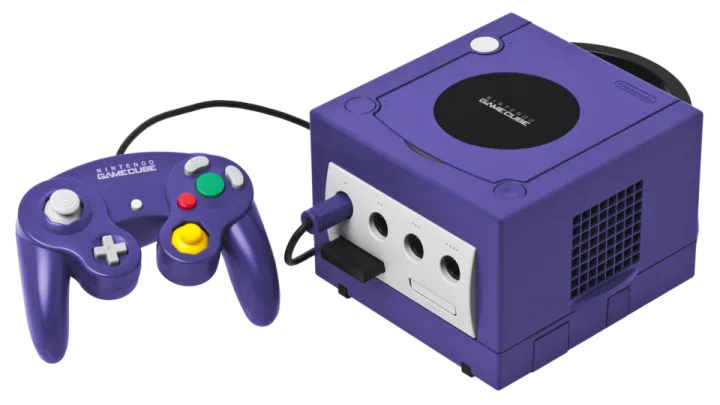
Luigi's Mansion launched alongside the GameCube in North America, introducing the console to players. Its bright graphics, creative premise and character appeal made it an immediate success. It became the most successful GameCube launch title, selling 257,000 copies in its first week in the United States alone. The game sold 3.33 million copies worldwide, establishing Luigi as a protagonist worth following.
The game introduced Professor E. Gadd and King Boo, characters who have reappeared throughout the Mario franchise. Its success spawned a series: Luigi's Mansion: Dark Moon for Nintendo 3DS and Luigi's Mansion 3 for Nintendo Switch both sold millions. The original received an enhanced remake for Nintendo 3DS in 2018. While not groundbreaking mechanically, Luigi's Mansion succeeded through charm, creativity and solid craftsmanship, proving that less-celebrated Mario characters could carry games.
Sources
- Best-seller list (English Wikipedia)
- Luigi's Mansion (English Wikipedia)
- ルイージマンション (Japanese Wikipedia)
How it is ranked: Worldwide sales (from Wikipedia's list of best-selling GameCube games)
MORENintendo GameCube: more best sellers
Top 10 ›Super Smash Bros. MeleeMario Kart: Double Dash!!Super Mario SunshineThe Legend of Zelda: The Wind WakerMetroid Prime