 Super Mario Sunshine
スーパーマリオサンシャイン
Mario's second 3D adventure casts him as a graffiti vandal wrongly blamed for defacing Isle Delfino. Armed with the F.L.U.D.D. water-spraying backpack, he must clean the island and find the real culprit in this visually stunning and imaginative platformer.
What is it?
Super Mario Sunshine transports Mario to Isle Delfino, a tropical island resort that has been covered in mysterious graffiti. Mario arrives for a vacation only to be arrested and forced to clean up the mess. To help, the island's Professor E. Gadd gives him F.L.U.D.D., a sentient jetpack that sprays water and grants him new abilities including hovering flight, rapid acceleration and high-pressure cleaning jets.
The game is structured around seven worlds, each containing multiple missions. Some missions are traditional platforming challenges where Mario navigates to a goal. Others are boss battles against colorful enemies. Still others are puzzle-solving exercises where Mario must clean specific graffiti patterns or use F.L.U.D.D.'s abilities to interact with the environment. A rogue doppelgänger called Shadow Mario complicates matters, stealing F.L.U.D.D. in some stages and forcing Mario to traverse sections as a standard platformer without his power-ups.
How it plays
F.L.U.D.D. is the game's central mechanic. The jetpack transforms Mario's movement from the linear hopping of earlier titles into something fluid and three-dimensional. Hovering in the air to reach high platforms, blasting enemies with water streams, and sprinting on the ground using stored pressure all create a richer toolkit than traditional Mario games. The water-based theme extends to level design, with swimming sections, underwater puzzles and water-jetted pathways.
The tropical setting brings color and variety. Isle Delfino's beaches, waterfalls, theme parks and graffiti-covered buildings each have distinct visual personality. Camera control can feel unwieldy in tight spaces, a common criticism, but most players adjusted quickly. The game's generous checkpoint system and varied mission types ensure that failure rarely feels punishing. Collecting blue coins and discovering hidden areas adds collectathon appeal for completionists.
Why it sold so well / trivia
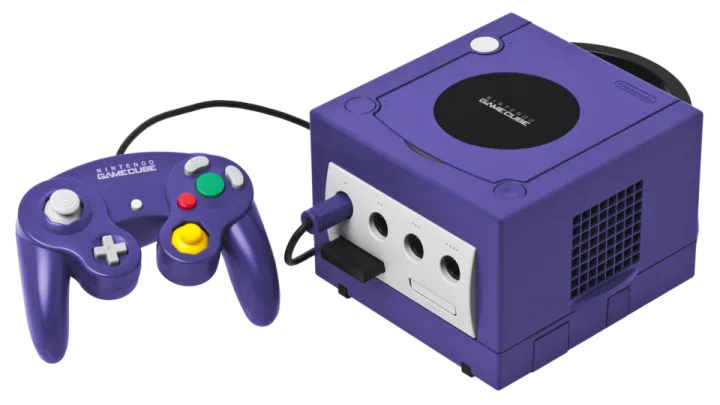
Super Mario Sunshine arrived at the perfect moment to establish the GameCube as a serious platform for Nintendo's franchises. Its colorful, inviting aesthetic captured the essence of a vacation gone wrong. The game's creative use of water mechanics and F.L.U.D.D. offered something genuinely new, distinguishing it from Super Mario 64. Critics and players alike praised its imaginative level design and charming presentation.
While some griped about the camera and the occasional reliance on timed challenges, Sunshine's innovations and outstanding craftsmanship made it a critical darling. It has been re-released multiple times, including as part of the Super Mario 3D Collection for Nintendo Switch. Its bold aesthetic and experimental mechanics have aged well, and many fans regard it as an underrated gem in the Mario pantheon, deserving of more recognition than it sometimes receives.
Sources
- Best-seller list (English Wikipedia)
- Super Mario Sunshine (English Wikipedia)
- スーパーマリオサンシャイン (Japanese Wikipedia)
How it is ranked: Worldwide sales (from Wikipedia's list of best-selling GameCube games)
MORENintendo GameCube: more best sellers
Top 10 ›Super Smash Bros. MeleeMario Kart: Double Dash!!The Legend of Zelda: The Wind WakerLuigi's MansionMetroid Prime