 Sonic the Hedgehog
ソニック・ザ・ヘッジホッグ
Sonic the Hedgehog is the genesis of Sega's most iconic franchise. A blue hedgehog who runs at supersonic speeds must stop Doctor Eggman (called Robotnik outside Japan) from collecting Chaos Emeralds and terrorizing South Island.
What is it?
Sonic the Hedgehog is a side-scrolling platform game that established the formula: collect rings for health, navigate colorful zones filled with loops and springs, defeat bosses, and chase Chaos Emeralds. The defining innovation is speed—Sonic moves faster than any video game protagonist had before, powered by an algorithm that allowed sprite animation to remain fluid even at high velocities. Each of the game's six zones has a distinct visual theme and musical identity, from the lush Green Hill Zone to the underwater Labyrinth Zone.
The game strikes a balance between accessibility and depth. Casual players can run straight through levels, while skilled players discover hidden bonus stages, shortcuts, and risk-reward moments where maintaining speed demands precision. The final zone, the Final Zone, is a climactic encounter with Doctor Robotnik himself.
How it plays
Controls are elegantly simple: a D-pad for directional movement and a single button for jumping. Holding the jump button longer makes Sonic jump higher. While running, Sonic automatically curls into a ball to attack enemies—no separate attack button is needed. Collecting 50 rings grants access to a bonus stage where players chase a rotating maze to retrieve the Chaos Emerald; collecting all six Emeralds and beating the game unlocks a special ending.
The game rewards speed, momentum, and understanding of level layouts. Loops and springs propel Sonic forward, springs launch him upward, and slopes manage momentum. The game's brilliant level design ensures that players remain challenged while never feeling artificially restricted by the high-speed pacing.
Why it sold / trivia
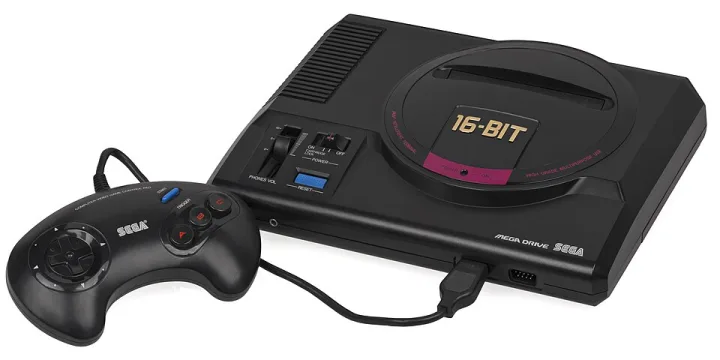
Sonic the Hedgehog was initially bundled with Genesis consoles in North America starting in 1991, transforming the console's market position overnight. The game became the system's killer app, and its 15 million copies sold—over half the total Genesis library—reflect its importance. By Christmas 1991, Sonic had outsold Super Mario in North America, a symbolic victory that signaled the Nintendo monopoly was breaking.
The game was developed by a small team at Sega, with programmer Yuji Naka designing the speed algorithm and designer Hirokazu Yasuhara crafting the level layouts. The music was composed by Masato Nakamura, whose work from the J-pop group Dreams Come True became instantly iconic. The game was ported to numerous systems over the decades and has passed 40 million copies sold across every platform it reached.
Sources
- Best-seller list (English Wikipedia)
- Sonic the Hedgehog (1991 video game) (English Wikipedia)
- ソニック・ザ・ヘッジホッグ (1991年のゲーム) (Japanese Wikipedia)
How it is ranked: Worldwide sales (from the English Wikipedia list)
MORESega Genesis (Mega Drive): more best sellers
Top 10 ›Sonic the Hedgehog 2Sonic the Hedgehog 3Mortal KombatDisney's AladdinJohn Madden Football '93