 Tomb Raider: The Last Revelation
Tomb Raider: The Last Revelation
Lara Croft journeys to ancient Egypt in this Tomb Raider installment. Core Design's fourth entry in the series features intricate level design, environmental puzzles, and exploration of legendary archaeological sites.
What is it?
Tomb Raider: The Last Revelation sends Lara Croft to Egypt to confront ancient mythology and prevent a catastrophic awakening. After a brief tutorial in Cambodia, players guide Lara through multiple Egyptian locations—pyramids, temples, and burial chambers—each subdivided into distinct zones. Progress often demands revisiting earlier areas to access newly unlocked passages, creating a sense of discovery and mastery as players learn stage layouts. Movement options include standard running and jumping, rope swinging, narrow ledge walking, and underwater navigation. The arsenal expands beyond dual pistols to include shotguns, submachine guns, revolvers, and crossbows with limited ammunition.
Enemy encounters demand switching between weapon types based on target weaknesses. Some foes fall easily to rapid-fire weapons while others require shotgun blasts or explosive projectiles. A laser sight system enables precise targeting against distant adversaries. The puzzle-solving emphasizes observation and logic; players activate mechanisms by moving blocks, pulling levers, and discovering hidden switches. Environmental hazards like spikes, lava, and collapsing platforms escalate the danger, while the game's new inventory system streamlines item management compared to earlier titles.
Why it succeeded and its development challenges
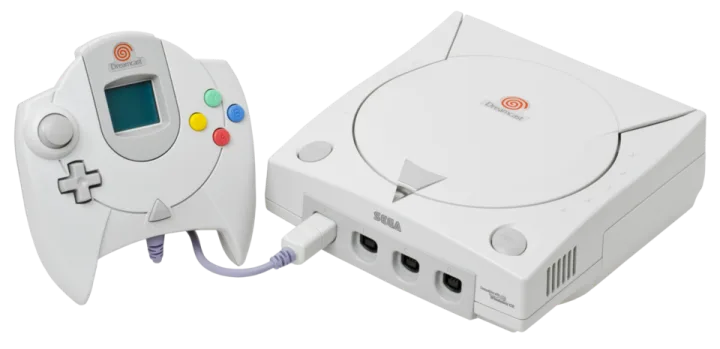
Tomb Raider: The Last Revelation sold 0.30 million copies on Dreamcast, representing a Dreamcast exclusive alongside GameCube later. Core Design had been releasing yearly Tomb Raider installments since 1996, and development staff felt the strain of maintaining annual releases. The team's original concept would have killed Lara Croft at the story's conclusion, though executive pressure resulted in a different ending. The Dreamcast version aimed for 60 frames-per-second performance and improved lighting effects compared to other platform versions.
The game's Egyptian aesthetic blended Gothic architecture with ancient Egyptian artistry, creating a visually distinctive setting. Orchestral composer Peter Connelly created an evocative score that enhanced the adventure's sense of exploration. While the Dreamcast version faced some technical critiques and control difficulty comparisons to other ports, the game contributed to Dreamcast's library of action-adventure titles. By 2009, the Tomb Raider franchise had exceeded 5 million copies sold across all platforms, with The Last Revelation ranking as the fourth-bestselling entry in the series.
Sources
How it is ranked: Worldwide sales (from the English Wikipedia list)
MOREDreamcast: more best sellers
Top 10 ›Sonic AdventureShenmueResident Evil – Code: VeronicaNFL 2KCrazy TaxiNFL 2K1