 Animal Crossing
どうぶつの森+
A deceptively simple life simulator where you live in a village populated by talking animals. With no fail states and no urgent objectives, Animal Crossing introduced players to the meditative appeal of gaming at your own pace.
What is it?
Animal Crossing drops you into a peaceful village without tasks to complete or enemies to defeat. You choose your own goals: decorating your house, collecting furniture, catching fish and bugs, or simply chatting with your animal neighbors. The game runs in real-time, with the seasons changing monthly and time advancing with your console's clock. Events happen on specific dates—holidays, special visits from traveling merchants—creating a calendar of regular occurrences.
Your house starts as a tiny shack. By selling items you collect to Tom Nook, the local shopkeeper, you earn bells, the currency, to expand your home and furnish it. The decoration system is remarkably flexible, letting you arrange furniture however you like and choose from thousands of items to find or craft. Your neighbors—each with their own personality type and preferred aesthetic—interact with you daily, remembering conversations and treating you as a friend.
How it plays
Animal Crossing's pace is entirely dictated by the player. Want to focus on fishing? Spend all day by the river. Interested in decorating? Furnish your house room by room. Prefer socializing? Chat with neighbors and attend village events. This freedom extends to the game's rules: Tom Nook will remind you if you owe house payments, but never demands payment immediately. There is no game over. You cannot lose or fail in any traditional sense.
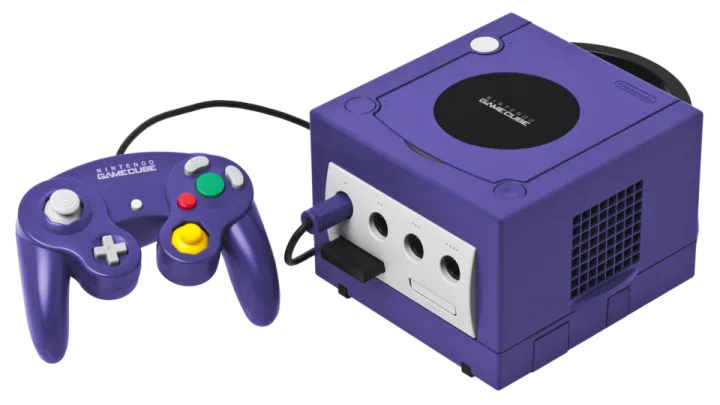
The fishing and bug-catching mechanics are surprisingly engaging. Different creatures appear at different times of day and in different seasons. Rarer specimens command higher prices, encouraging exploration. Up to four players can connect via memory cards, visiting each other's villages, trading items and comparing decorated homes. The Nintendo 64 version had been Japan-exclusive, but the GameCube port introduced the game to Western audiences and added features like the Game Boy Advance connectivity and additional holidays.
Why it sold so well / trivia
Animal Crossing succeeded by doing something genuinely different. In an industry obsessed with challenge and progression, it offered relaxation and exploration without stakes. The game appealed to demographics traditionally overlooked by gaming: older players, parents, and people who didn't consider themselves gamers. Its charming aesthetic, complete with a memorable soundtrack by Tom Nook himself, made it feel special.
The game's success spawned a franchise that continues today. Wild World for Nintendo DS, New Leaf for Nintendo 3DS and New Horizons for Nintendo Switch have all achieved massive sales. The core appeal—living a peaceful life in a quaint village—has endured across decades. Animal Crossing proved that games don't need conflict, challenge or complex mechanics to be engaging. The series has influenced how the industry thinks about game design and the audiences games can reach.
Sources
- Best-seller list (English Wikipedia)
- Animal Crossing (video game) (English Wikipedia)
- どうぶつの森+ (Japanese Wikipedia)
How it is ranked: Worldwide sales (from Wikipedia's list of best-selling GameCube games)
MORENintendo GameCube: more best sellers
Top 10 ›Super Smash Bros. MeleeMario Kart: Double Dash!!Super Mario SunshineThe Legend of Zelda: The Wind WakerLuigi's MansionMetroid Prime